

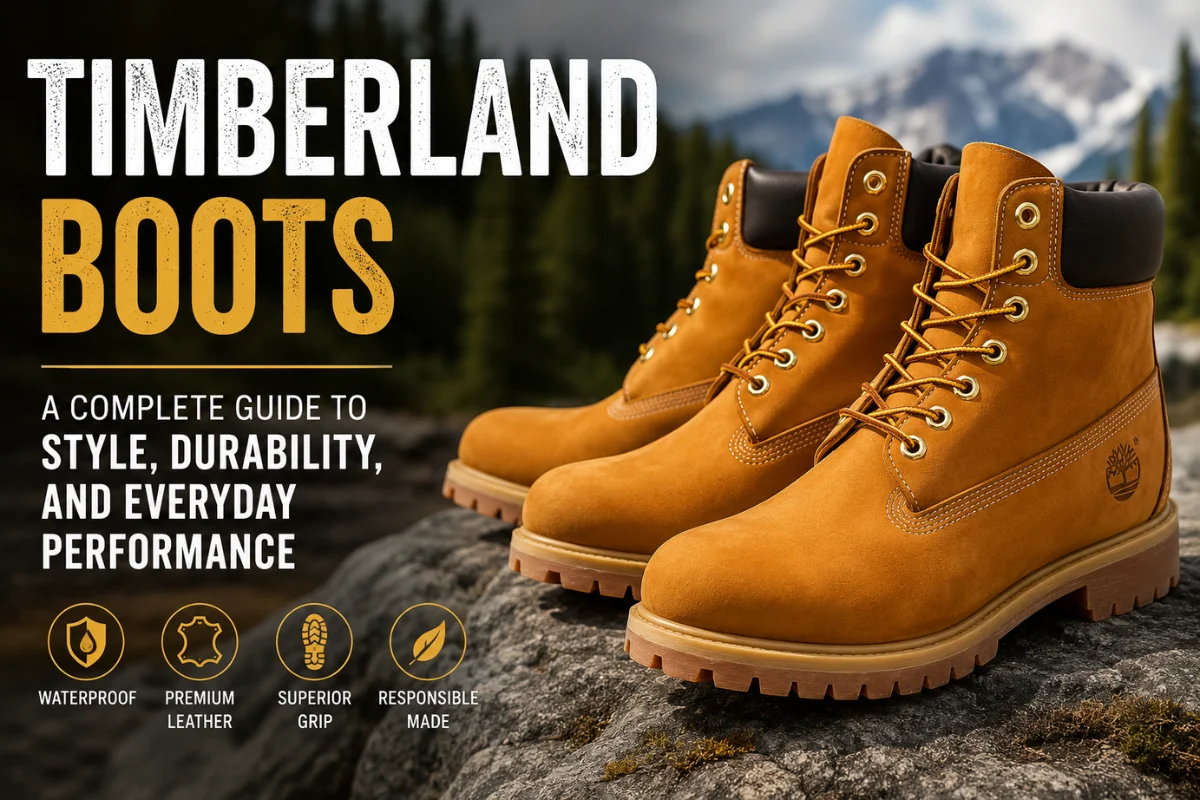
Timberland boots are among the most recognizable footwear products in the world. Known for their rugged construction, premium materials, and timeless appearance, these boots have become a favorite choice for workers, outdoor enthusiasts, and fashion-conscious consumers alike.
Originally designed for tough working conditions, Timberland footwear has evolved into a global fashion icon. Today, people wear these boots not only for protection and comfort but also as a statement of style. Their reputation for durability and versatility continues to attract customers across different age groups and lifestyles.
This guide explores everything you need to know about timberland boots, including their history, features, benefits, popular styles, maintenance tips, and reasons for their lasting popularity.
The History of Timberland Boots
The story of Timberland began in the early 1970s when the company introduced a waterproof leather boot that transformed the footwear industry.
At that time, many work boots struggled to provide reliable protection from moisture. Timberland introduced an innovative manufacturing process that bonded the sole directly to the upper section of the boot, helping create superior water resistance.
The iconic yellow boot quickly became popular among construction workers, tradespeople, and outdoor adventurers. Over the years, the brand expanded its audience and entered the fashion world.
Today, Timberland products are sold in numerous countries and are recognized for quality craftsmanship, innovation, and sustainability efforts.
Why Timberland Boots Remain Popular
Many footwear trends come and go, yet Timberland continues to maintain strong consumer demand.
Long-Lasting Construction
One major reason behind the brand’s success is its exceptional durability.
The company uses high-quality materials designed to withstand daily wear, challenging weather conditions, and demanding environments. Many customers report using the same pair for several years with proper care.
Timeless Appearance
Fashion trends change frequently, but Timberland’s classic design has remained relevant for decades.
The distinctive shape, premium leather finish, and rugged profile allow these boots to complement both casual and outdoor outfits.
Versatility
Another reason consumers appreciate Timberland footwear is versatility.
They can be worn for:
- Work environments
- Hiking trips
- Urban lifestyles
- Travel adventures
- Casual daily activities
Few footwear products successfully combine functionality and fashion in the same way.
Key Features of Timberland Boots
Several characteristics set Timberland apart from many competitors.
Premium Leather Materials
The company is known for using high-quality leather in many of its products.
Premium leather offers several advantages:
- Greater durability
- Improved appearance
- Better weather resistance
- Long-term value
As the leather ages, it often develops a unique character that many owners appreciate.
Waterproof Technology
Waterproof protection remains one of the most important selling points of timberland boots.
Many models incorporate:
- Waterproof membranes
- Sealed seams
- Water-resistant leather treatments
These features help keep feet dry during rainy conditions and outdoor adventures.
Durable Outsoles
Traction is essential for safety and comfort.
Timberland uses durable rubber outsoles designed to provide grip on multiple surfaces, including:
- Wet pavement
- Dirt trails
- Rocky terrain
- Snow-covered paths
Reliable traction helps improve stability during daily use.
Comfortable Cushioning
Modern consumers expect comfort as well as durability.
Many Timberland models include:
- Cushioned footbeds
- Shock absorption systems
- Padded collars
- Supportive midsoles
These features help reduce foot fatigue during long periods of walking or standing.
Popular Types of Timberland Boots
The company offers several categories of footwear designed for different needs.
Classic 6-Inch Premium Boot
This is the most recognizable Timberland product.
Features include:
- Waterproof leather
- Durable construction
- Padded ankle collar
- Rugged outsole
The classic design remains a favorite among both workers and fashion enthusiasts.
Hiking Boots
Outdoor adventurers often choose Timberland hiking models because they provide support and weather protection.
Benefits include:
- Enhanced traction
- Lightweight construction
- Comfort for long walks
- Outdoor durability
Work Boots
Professional workers frequently rely on Timberland work boots.
Many models include safety-focused features such as:
- Reinforced toe protection
- Slip-resistant soles
- Durable materials
- Workplace-ready construction
Casual Boots
Casual collections focus on everyday comfort and style.
These boots pair well with jeans, jackets, and other relaxed clothing options.
Timberland Boots Features Comparison
| Feature | Benefit |
| Premium Leather | Enhanced durability and appearance |
| Waterproof Construction | Helps keep feet dry |
| Rubber Outsole | Provides traction and stability |
| Cushioned Footbed | Improves comfort |
| Padded Collar | Supports the ankle area |
| Shock Absorption | Reduces fatigue during walking |
| Durable Stitching | Extends product lifespan |
| Versatile Design | Suitable for multiple uses |
Timberland Boots and Modern Fashion
Over the years, Timberland has become more than just a workwear brand.
Streetwear Influence
The rise of streetwear culture helped expand the popularity of timberland boots beyond construction sites and hiking trails.
Fashion enthusiasts embraced the rugged look, pairing the boots with:
- Denim jeans
- Cargo pants
- Hoodies
- Oversized jackets
This trend continues today.
Seasonal Appeal
Timberland footwear is particularly popular during autumn and winter.
The boots pair naturally with cold-weather clothing while also providing practical protection from changing weather conditions.
Unisex Popularity
One reason for the brand’s broad appeal is that its designs work well for both men and women.
Their timeless appearance allows them to fit a wide variety of personal styles.
Sustainability Efforts Behind Timberland Boots
Consumers increasingly value environmentally responsible brands.
Timberland has invested in initiatives focused on sustainability and responsible sourcing.
Responsible Material Sourcing
The company works to improve the environmental impact of its materials.
This includes efforts related to:
- Leather sourcing
- Recycled content
- Renewable materials
Environmental Projects
Timberland has participated in tree-planting and environmental restoration programs in various regions around the world.
These projects support broader sustainability goals while encouraging environmental awareness.
Product Innovation
The company continues exploring ways to reduce waste and improve manufacturing efficiency without compromising quality.
How to Choose the Right Timberland Boots
Selecting the ideal pair depends on individual needs and preferences.
Consider Your Purpose
Start by identifying how you plan to use the boots.
Examples include:
- Outdoor adventures
- Construction work
- Daily commuting
- Casual fashion
Different activities may require different features.
Evaluate Comfort Needs
Comfort preferences vary from person to person.
Look for factors such as:
- Cushioning
- Arch support
- Weight
- Ankle support
Trying multiple styles can help determine the best fit.
Think About Weather Conditions
People living in wet climates may benefit from waterproof models.
Those in drier environments may prioritize lightweight options.
Choose the Correct Size
Proper sizing is essential for long-term comfort.
Always wear appropriate socks when testing boots to ensure an accurate fit.
Caring for Timberland Boots
Proper maintenance helps maximize the lifespan of your footwear.
Clean Regularly
Remove dirt and debris after use.
A soft brush works well for routine cleaning.
Protect the Leather
Applying appropriate leather protection products can help preserve appearance and performance.
Always use products recommended for the specific material.
Dry Properly
If boots become wet, allow them to air dry naturally.
Avoid placing them near direct heat sources, as excessive heat may damage leather.
Store Carefully
Keep footwear in a cool, dry place when not in use.
Proper storage helps maintain shape and condition.
Are Timberland Boots Worth Buying?
Many consumers view timberland boots as a long-term investment rather than a short-term purchase.
Reasons include:
- Proven durability
- Comfortable construction
- Waterproof protection
- Versatile styling
- Strong brand reputation
Although they may cost more than some alternatives, their longevity often delivers excellent value over time.
For individuals seeking dependable footwear that performs well in various environments, Timberland remains a trusted option.
Conclusion
Have established themselves as a trusted footwear choice thanks to their superior craftsmanship, lasting durability, and timeless design. . From demanding work environments to city streets and outdoor trails, these boots continue to meet the needs of a diverse range of consumers.
Their combination of comfort, waterproof protection, premium materials, and versatile styling has helped them remain relevant across generations. Whether you need dependable footwear for work, travel, hiking, or everyday wear, Timberland offers options that balance performance with fashion.
Proper cleaning and maintenance can help extend the lifespan of these boots, allowing them to deliver reliable performance for years.
