

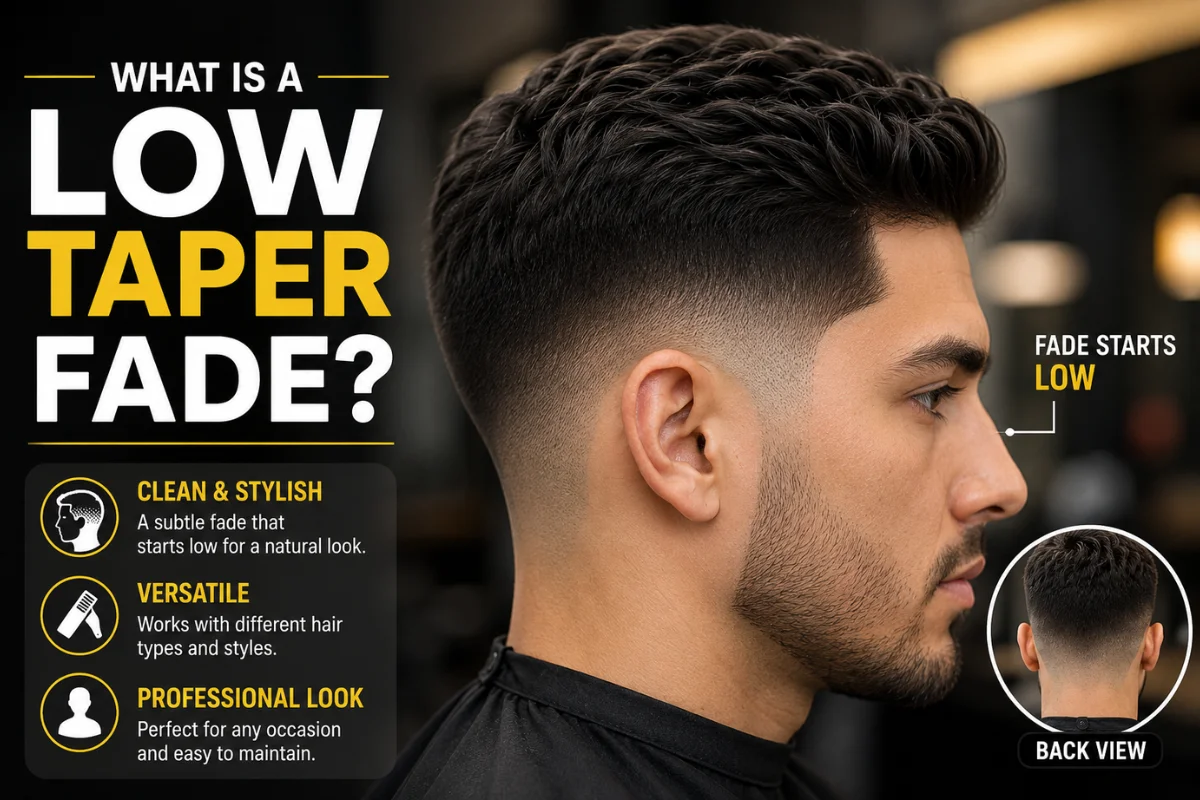
The low taper fade has become one of the most requested haircuts in modern barber shops. Known for its clean appearance, versatility, and timeless appeal, this haircut works well for different hair types, face shapes, and personal styles. Whether you prefer a professional look for the workplace or a stylish haircut for everyday wear, a low taper fade offers the perfect balance between classic and modern grooming.
In recent years, search trends have shown growing interest in taper fade hairstyles, particularly low taper fades. The haircut has gained popularity thanks to social media, celebrity influence, and the increasing demand for low-maintenance yet stylish hairstyles. If you’ve ever wondered what a low taper fade is and why so many people choose it, this guide covers everything you need to know.
What Is a Low Taper Fade?
A low taper fade is a haircut where the hair gradually decreases in length around the sides and back of the head. The fade begins lower on the head, typically just above the ears and around the neckline, creating a subtle and natural transition.
Unlike high fades that remove more hair and create a dramatic contrast, the low taper fade keeps most of the hair intact while offering a neat and polished finish. The result is a clean haircut that looks professional and stylish without appearing overly aggressive.
The gradual blending is what makes this haircut stand out. Skilled barbers use clippers and blending techniques to create a smooth transition from longer hair on top to shorter hair near the ears and neck.
Why Is the Low Taper Fade So Popular?
The popularity of the low taper fade comes from its flexibility. It works with almost every hairstyle and complements various hair textures.
Many men choose this haircut because it provides a clean appearance without requiring frequent styling. It can be paired with curly hair, straight hair, wavy hair, dreadlocks, afros, pompadours, and textured crops.
Another reason for its popularity is its professional appearance. Unlike more extreme fades, the low taper fade remains suitable for office environments, formal events, and everyday situations.
Social media platforms have also played a significant role in its rise. Barbers frequently showcase low taper fade transformations, making the haircut one of the most searched grooming styles today.
How Does a Low Taper Fade Work?
The haircut starts with longer hair on top while the fade begins near the lower portion of the head. The barber gradually shortens the hair as it moves downward toward the ears and neckline.
This technique creates a seamless transition rather than a sharp disconnect. The fade typically blends from longer lengths into shorter clipper guards before reaching the skin or nearly skin-level finish.
Because the fade starts lower than other fade styles, more hair remains visible on the sides. This gives the haircut a softer and more natural appearance.
The exact length and blending can vary depending on personal preference and hair type.
Low Taper Fade vs High Taper Fade
Many people confuse low taper fades with high taper fades. While both styles involve gradual blending, the location of the fade creates a significant difference.
A low taper fade starts near the ears and neckline. This produces a subtle and conservative look.
A high taper fade begins much higher on the head. It removes more hair from the sides and creates stronger contrast between the top and sides.
The low taper fade generally suits people looking for a classic and professional hairstyle, while the high taper fade appeals to those seeking a more modern and edgy appearance.
Low Taper Fade vs Mid Taper Fade
Another common comparison is between low and mid taper fades.
A mid taper fade starts around the middle section of the head, roughly between the temple and ear. This creates a balanced look that is neither too subtle nor too dramatic.
The low taper fade remains the more understated option. It preserves more hair on the sides and delivers a softer transition.
Men who want a clean haircut without exposing too much scalp often prefer the low taper variation.
Best Hair Types for a Low Taper Fade
One of the biggest advantages of this haircut is its versatility. It works exceptionally well with different hair textures.
Straight Hair
Straight hair creates a sleek and polished appearance when paired with a low taper fade. The clean blending highlights the haircut’s structure and symmetry.
Wavy Hair
Wavy hair adds natural movement and texture. The fade keeps the sides neat while allowing the waves on top to stand out.
Curly Hair
Curly hair and low taper fades are a highly popular combination. The contrast between textured curls and faded sides creates a stylish and balanced look.
Coily Hair
Men with coily or afro-textured hair often choose low taper fades because they maintain volume while keeping the overall haircut neat and manageable.
Popular Low Taper Fade Styles
The low taper fade can be customized in many ways. This flexibility is one reason it continues to trend in search results and grooming communities.
Low Taper Fade with Curly Hair
This style emphasizes natural curl definition while maintaining a clean shape around the sides and neckline. It remains one of the most searched fade hairstyles.
Low Taper Fade with Textured Crop
A textured crop combined with a low taper fade creates a modern and youthful appearance. The texture on top adds volume and movement.
Low Taper Fade with Pompadour
For those who enjoy classic hairstyles, a pompadour paired with a low taper fade offers a refined and sophisticated look.
Low Taper Fade with Beard
Many men combine a low taper fade with a beard fade. The seamless blending between hair and beard creates a polished appearance.
Low Taper Fade with Long Hair
Longer hairstyles also benefit from low taper fades. The clean sides help reduce bulk while preserving length on top.
Benefits of Choosing a Low Taper Fade
One of the biggest benefits is versatility. The haircut adapts to different personal styles and grooming preferences.
Another advantage is easy maintenance. While regular barber visits help keep the fade sharp, daily styling requirements remain minimal.
The haircut also suits various age groups. Teenagers, young professionals, and older men can all wear a low taper fade confidently.
It enhances facial features by creating cleaner lines around the head and neckline. This often results in a more structured overall appearance.
Additionally, the low taper fade grows out naturally. Even after several weeks, the haircut typically remains presentable.
How to Ask Your Barber for a Low Taper Fade
Clear communication with your barber is essential.
Tell your barber that you want a low taper fade starting around the ears and neckline. Mention whether you prefer a skin fade, shadow fade, or a longer blended finish.
Showing reference photos can also help ensure the final result matches your expectations.
Discuss the length you want on top and whether you plan to pair the fade with a beard, curls, waves, or another hairstyle.
Experienced barbers can recommend adjustments based on your hair texture and face shape.
How to Maintain a Low Taper Fade
Proper maintenance keeps the haircut looking sharp between appointments.
Regular washing helps maintain scalp health and keeps the fade clean. Using products suitable for your hair type can improve texture and styling.
Most people schedule touch-ups every two to four weeks. This helps preserve the fade’s clean lines and smooth blending.
If you have curly or textured hair, moisturizing products can help maintain definition and reduce dryness.
A quality brush, comb, or styling cream may also help depending on your preferred hairstyle.
Does a Low Taper Fade Suit Every Face Shape?
The low taper fade works well with most face shapes because it does not dramatically alter the proportions of the head.
Men with oval face shapes often find the haircut particularly flattering because it complements natural facial balance.
Those with round faces can benefit from added height on top, which creates a longer visual appearance.
Square face shapes pair nicely with low taper fades because the haircut enhances strong jawlines and facial structure.
Barbers can customize the fade and top length to suit individual features.
Is a Low Taper Fade Worth It?
For many people, the answer is yes. The low taper fade offers a combination of style, versatility, and practicality that few haircuts can match.
It works across different hair textures, age groups, and fashion preferences. The haircut remains professional enough for formal environments while still looking modern and fashionable.
Its ability to complement various hairstyles makes it one of the most adaptable men’s haircuts available today.
Conclusion
The low taper fade continues to dominate modern men’s grooming because of its clean appearance and versatility. By starting the fade lower on the head, this haircut creates a subtle transition that works well with virtually any hairstyle.
Whether you have straight, curly, wavy, or coily hair, a low taper fade can enhance your overall look while remaining easy to maintain. Its balance between classic and contemporary styling makes it a reliable choice for anyone seeking a fresh haircut.
As grooming trends continue to evolve, the low taper fade remains one of the most timeless and universally appealing haircut options available.
